Konto

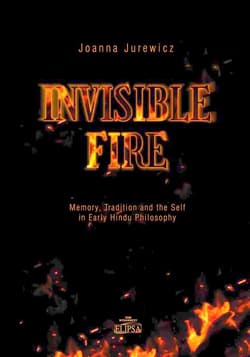
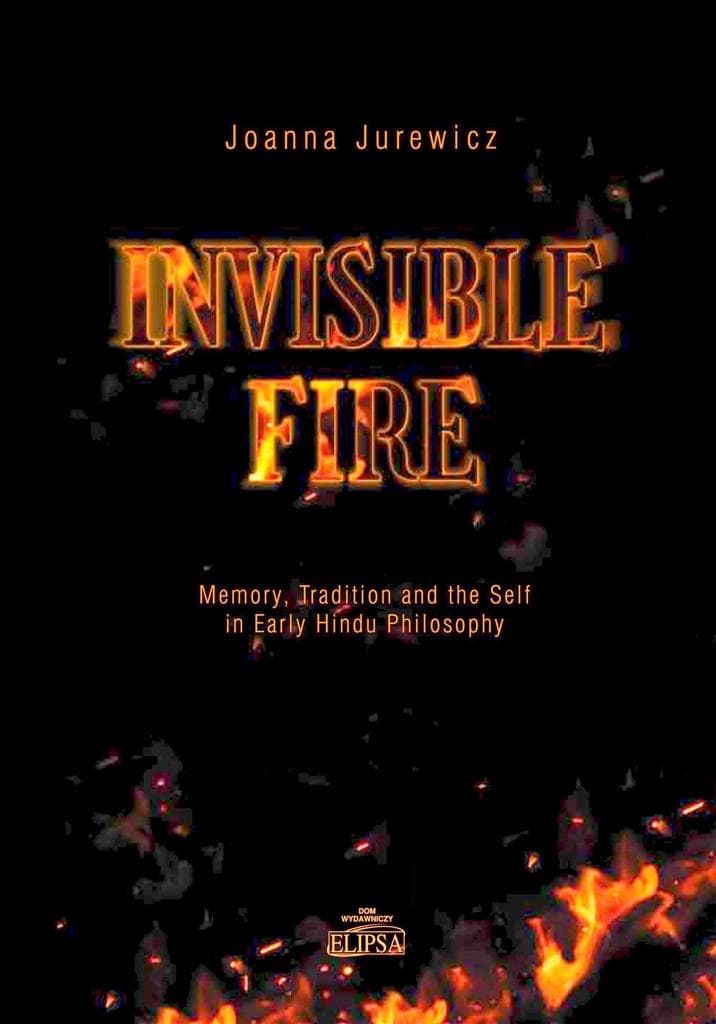
Invisible Fire Memory Tradition and the Self in Early Hindu Philosophy Joanna Jurewicz
Książka

74,71 zł
84,00 zł - sugerowana cena detaliczna
Zamów dziś, wyślemy w ciągu 24h!
Darmowa dostawa od 399 zł
Do darmowej dostawy brakuje Ci 399,00 zł
Znak Ekstra
Dostawa za 0 zł dla
zamówień od 99 zł
Dołącz do Znak  Znak Ekstra

Ciesz się darmową dostawą i korzystaj z okazji tylko dla klubowiczów.

Darmowa dostawa Darmowa dostawa
od 99 zł

GLS
Dotyczy zamówień, które odbierasz od kuriera lub z punktów i automatów GLS. Szczegóły sprawdzisz w cenniku dla członków Znak EKSTRA.

Specjalne zniżki Specjalne zniżki
tylko dla klubowiczów
Jako członek Klubu zyskujesz dostęp do promocji zarezerwowanych tylko dla naszych stałych czytelników. To nie wszystko: nowości Grupy Wydawniczej Znak wysyłamy do Ciebie 10 dni przed premierą z ekstra rabatem tylko dla Klubowiczów.

Pakiet zakładek Pakiet zakładek
Art Ladies za 1 zł
Na powitanie dostajesz od nas kod rabatowy na zakup wyjątkowego zestawu zakładek za symboliczną złotówkę. To nasz prezent na start dla każdego klubowicza Znak EKSTRA.

Brak opłat za członkostwo Brak opłat za członkostwo
Dołączenie do klubu Znak EKSTRA nic nie kosztuje. Korzystasz ze wszystkich korzyści bez żadnych abonamentów czy ukrytych opłat.
PayPo Płacę później
Kup teraz, zapłać za 30 dni
Blik Płacę później
Kup teraz, zapłać za 30 dni
Wydawnictwo: Elipsa Dom Wydawniczy i Handlowy
Rodzaj oprawy: Okładka twarda
Liczba stron: 652
Format: 17.5x25.0cm
Rok wydania: 2021
Zobacz więcej

Kup w zestawie

Invisible Fire Memory Tradition and the Self in Early Hindu Philosophy

74,71 zł

O książce Invisible Fire Memory Tradition and the Self in Early Hindu Philosophy

This book consists of five chapters. In the first chapter, we look at early Sm?ti cosmogonies presented in MS 1 and MDhP 175–176, 240. It is argued that the creation of the world is seen as a cognitive act during which one reality manifests its aspect within which it cognises itself in subject-object cognition. Ontic changes are the results of epistemic transformations. The Composer of the MS presents a coherent model the levels of which corresponds to levels of creation of the self, beginning with mental abilities, then abilities for sensual cognition and finally the body endowed with the ability to move. The selves of reality are as follows: the cosmos, ritual, society, man and unmanifest reality present within them. All these manifestations are conceived in terms of man. In the second chapter we discuss the implications of creation conceived as presented in the first chapter. It will be shown that adopting the assumption about the primarily cognitive nature of creation allows for a new look at the ontology presented in the early Sm?ti. Its basic implication are two perspectives as to how reality can be described. These two perspectives are already described by Yajnavalkya in BU 3–4. The third chapter is devoted to a discussion of wrong cognition. It is argued that philosophical anthropology can be explained on the basis of the subject-object cognition scenario in terms of which the functioning of the cosmos is conceived. Wrong cognition causes man to treat the epistemic division of reality as ontic and himself as an ontically separate subject. Since cognition precedes being the way man thinks has ontic results. In the fourth chapter, we consider liberating cognition which is the opposite process to wrong cognition and consists of the decompression of the amalgamate agent, the radical transformation of consciousness and a change of cognitive perspectives from the perspective of the particular subject to the perspective of reality. We can call this the process of ‘subjectivisation’. It begins with the proper desire to cognise oneself i.e., the unmanifest self of man. The fifth chapter is an analysis of the early Sm?ti thought using some theories proposed in the humanities. The first two are developed within the framework of cognitive linguistics.. The third section of this chapter is devoted to the analysis of the theories of play (beginning with Johan Huizinga), philosophy (Eugen Fink, Hans-Georg Gadamer) and psychoanalysis (Donald Winnicott) and the possible use of these approaches to analyse early Sm?ti thought. In the fourth section, we look at the concept of karman through the lens of the theory of responsibility proposed by Roman Ingarden to show the moral dimension of the early Hindu theory of action.

Szczegółowe informacje na temat książki Invisible Fire Memory Tradition and the Self in Early Hindu Philosophy

Wydawnictwo: Elipsa Dom Wydawniczy i Handlowy
EAN: 9788380173118
Autor: Joanna Jurewicz
Rodzaj oprawy: Okładka twarda
Liczba stron: 652
Format: 17.5x25.0cm
Rok wydania: 2021
Język wydania: angielski
Podmiot odpowiedzialny: Elipsa Dom Wydawniczy i Handlowy
Inflancka 15 lok. 198
00-189
PL
e-mail: [email protected]

Podobne do Invisible Fire Memory Tradition and the Self in Early Hindu Philosophy

Inne książki Joanna Jurewicz

Oceny i recenzje książki Invisible Fire Memory Tradition and the Self in Early Hindu Philosophy

Średnia ocen:
~ /10
Liczba ocen:
0
Powiedz nam, co myślisz!

Pomóż innym i zostaw ocenę!

Ten produkt nie ma jeszcze żadnych recenzji

Pomóż innym i zostaw ocenę!

Z tego samego wydawnictwa

Dołącz do Znak EKSTRA
i oszczędzaj na dostawie!

Jak dołączyć? To proste:

  1. Załóż konto w naszej księgarni
  2. Zapisz się do newslettera
  3. Korzystaj z przywilejów od razu!

Twoje korzyści:

  • Darmowa dostawa od 99 zł z GLS
  • Specjalne zniżki tylko dla klubowiczów
  • Pakiet zakładek Art Ladies za 1 zł
  • Brak opłat za uczestnictwo
Kobieta z telefonem